How Big Is a Slot Machine Cabinet in a Casino?
Slot machines are iconic fixtures of casinos worldwide, from the glitzy floors of Las Vegas to online platforms like MrQ Casino. But have you ever stopped to wonder how big a slot machine cabinet really is? When we think “slot machine,” many picture the glowing reels inside a flashy glass window, but the physical cabinet extends well beyond that — shaped by mechanical constraints and the evolution from mechanical to video slots.

In this article, we’ll unpack the typical casino slot machine dimensions, including slot cabinet footprint, slot machine height and depth, and how those measurements relate to everyday objects like smartphones and desktop monitors. We’ll also clarify common misunderstandings about screen sizes, especially the use of diagonal inches and aspect ratios, which can be misleading when understood superficially.
How Early Mechanical Constraints Shaped Slot Machine Sizes
The history of slot machine design plays a huge role in understanding why modern slot cabinets are the size they are. The California Office of Historic Preservation has documented a wealth of information on early mechanical gambling devices, highlighting that the initial cabinets needed space not only for the visible reels but also for the internal mechanical parts: coin acceptors, gearing, payout trays, and the sturdy levers themselves.
Unlike today’s video slot machines that are mostly electronics and screens, these mechanical devices required a large cabinet footprint to house everything. As a result, even slot machines from the early 20th century were quite bulky.
- Height: Early slot machines typically stood around 48 to 55 inches tall (about four and a half feet), roughly the same height as a standard kitchen countertop.
- Depth: Depths ranged from 24 to 36 inches, meaning these machines could fit comfortably in a casino aisle without being too cramped.
- Width: Approximately 20 to 24 inches wide, allowing enough room for the triple reel window and surrounding cabinet frame.
These sizes were practical if unwieldy. Casinos needed to ensure that cabinets were stable (heavy), secure against tampering, and had enough room for coins and machinery. What you see when looking at a machine is just the reel window — the visible, captivating part where the spinning happens — but the cabinet’s bulk goes far beyond that.
The Slot Cabinet Footprint: More Than Just the Reel Window
Fast-forward to the age of video slot machines and the eyes deceive even more. The cabinet is no longer a mechanical box with a coin chute and spinning reels but a sleek container housing a high-definition screen and computer hardware.
But here’s the kicker: the cabinet footprint still extends beyond the screen size. The slot cabinet footprint includes:
- Screen enclosure, often tilted or designed to reduce glare
- Control panel with buttons or touchscreen for betting and game operations
- Sound speakers and sometimes LED lights that wrap around the sides and top
- Sturdy base, storage, and power supplies within the cabinet
It’s easy to look at a slot machine’s screen size and assume it defines the total size of the cabinet, but the surrounding structure adds several inches in every direction. For example, a machine might boast a 27-inch diagonal screen, yet the entire cabinet width may reach 30-plus inches.
To put those dimensions in perspective, ask yourself: how does this compare to the smartphone or the desktop monitor you use? For instance, your everyday smartphone might have a 6 to 7 inch diagonal screen, whereas a typical desktop monitor ranges 21 to 27 inches diagonally. Imagine placing a desktop monitor inside a protective casing with buttons, speakers, and angled design — that’s similar to a slot cabinet's physical footprint relative to its screen.
Screen Sizes and How Diagonal Inches Can Be Misleading
When casinos or manufacturers advertise slot machines, they frequently highlight LCD or LED screen sizes by their diagonal inches, e.g., “27”, “32”, or even larger. However, diagonal measurement alone doesn't tell the full story.
I’ve spent years on casino floors and have seen firsthand how the diagonal size can confuse. Here are some key points to consider:
- Aspect ratio matters. Traditional slot machines often have 4:3 or 16:9 screens. Two 27-inch screens might have different physical widths and heights depending on their aspect ratios.
- Diagonal size ≠ usable game display size. The slot cabinet might have large bezels or non-interactive artwork framing the screen, reducing actual game visual real estate.
- Cabinet design influences perception. Some slot machines have curved or angled screens which change how big the screen looks compared to a flat standard monitor.
When comparing screen sizes, it’s better to look at actual screen width and height in inches or centimeters, not just the diagonal inch number. For instance, a 27-inch 16:9 display has a width of roughly 23.5 inches and a height of 13.2 inches, while a 27-inch 4:3 screen is about 21.6 inches wide and 16.2 inches tall.
How Video Slots Got Bigger — Then Smaller with the Mobile Era
Video slots first appeared in the 1980s and have evolved dramatically since then. During the ‘90s and early 2000s, video slot cabinets commonly grew in size to incorporate bigger and brighter screens, more elaborate sound systems, and additional player interaction buttons. It was a way to enhance the immersive casino experience.
The California Office of Historic Preservation notes how video slots in flagship casinos often pushed boundaries in design, with cabinets standing over 60 inches tall and deeper than their mechanical predecessors. The footprint, both in floor space and physical presence, was designed to attract attention and create a social hub.
However, the rise of mobile gaming and online casino platforms like MrQ Casino changed everything. Players could now enjoy slot games on handheld devices with screens far smaller than any casino cabinet.
Physical slot cabinet sizes adjusted accordingly post-2010. Machine designers optimized for smaller footprints to accommodate more units on crowded casino floors and reduced depths, focusing on compact, sleek designs without sacrificing screen quality.
https://celebmeadow.com/from-floor-standing-machines-to-pocket-screens-the-shrinking-footprint-of-slot-games/Typical Slot Machine Height and Depth Today
Dimension Typical Range Everyday Object Comparison Height 50 to 60 inches (4’2” - 5’0”) Between a standard kitchen countertop and a tall coach (bench) height Depth 24 to 30 inches About as deep as a large desktop monitor plus space for keyboard Width 20 to 28 inches Roughly 1.5 to 2 standard sheet-of-paper widths stacked side by sideWhy Size Still Matters: Touch Targets and Player Comfort
One of my pet peeves after years around casino tech walls: some design advice touts “bigger screens” without considering practicality. Slot machines must balance flashy visuals with usability. After all, players interact with buttons, card readers, and sometimes touchscreens — these UI elements should be large enough to fit a thumb comfortably.
Compare this with your smartphone or desktop monitor — no matter how big the screen gets, interface elements need to accommodate human hands. Too-small buttons lead to frustration and slower gameplay, especially for a fast-paced environment like a casino floor.
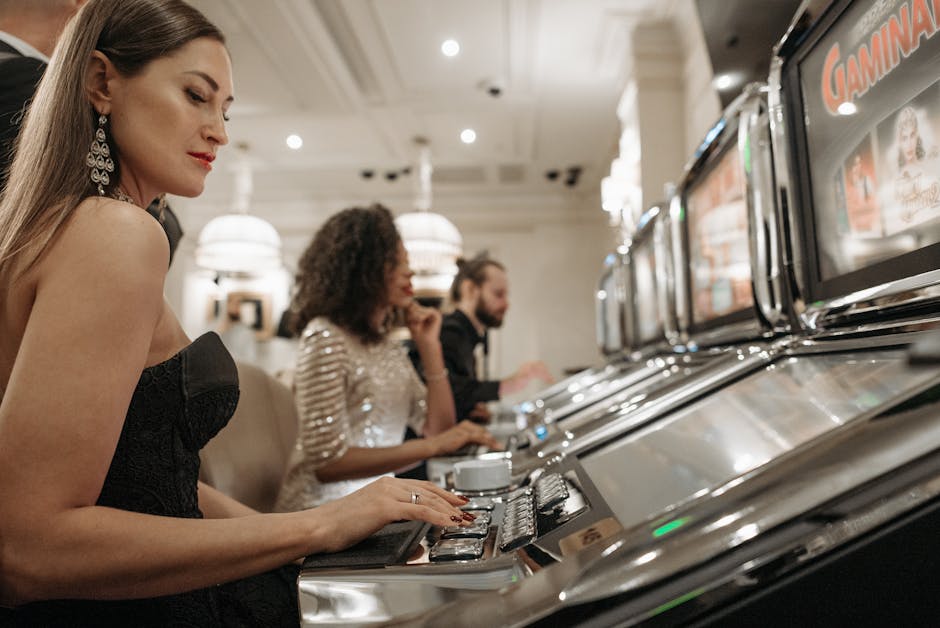
So, even if slot machines grow in diagonal screen size, the slot cabinet footprint must remain mindful of human ergonomics: reachability, stability, and visibility.
Summary & Takeaways for Understanding Slot Machine Dimensions
- Casino slot machines are bigger than just the screen window — cabinets include controls, speakers, and sturdy frames.
- Early mechanical machines were limited in size due to internal gears and coin mechanisms.
- Slot cabinet footprints can range roughly 20–28 inches wide, 24–30 inches deep, and 50–60 inches tall.
- Diagonal screen measurements can be misleading without knowing aspect ratio and actual width/height.
- Video slots grew bigger with advances in tech but shrank lately due to mobile gaming influence.
- Physical usability — touch targets and comfort — still govern practical cabinet design.
Whether you’re stepping onto the floor at your local casino, checking games at MrQ Casino, or just curious about the spaces these mechanical marvels occupy, understanding the real dimensions behind slot machines adds appreciation for their design and function.
The next time you look at a slot machine, remember: that shiny, spinning reel window is just the tip of an intricately designed cabinet perfectly sized to deliver fun, excitement, and practicality all at once.
For anyone interested in historic slot machines and their evolution, the California Office of Historic Preservation offers detailed archives. For modern slot machine experiences and their digital counterparts, check out casinos like MrQ Casino.